In collaboration with the Pibulsongkram Foundation, we provide scholarships to children whose parents are incarcerated for drug-related offenses. This long-standing program supports their continued education and offers them a brighter future.
Beyond providing scholarships for children, we are exploring ways to support the social reintegration of their parents. This includes considering small-scale loans to help parents establish livelihoods, thereby ensuring the stability and well-being of the entire family unit.
We are exploring potential programs to assist communities affected by the ongoing civil war in Myanmar. This involves consulting with experienced organizations and experts to ensure our activities are both effective and politically sound.
We are building partnerships with educational institutions, such as Roong Aroon School, to develop global human resource programs. One potential initiative involves engaging students in Project-Based Learning (PBL), where they can conduct research and fundraising for critical issues, such as supporting children affected by conflict and crime in neighboring countries.
Our foundational mission includes promoting the development of rural and slum areas and enhancing the quality of life and environment for their residents.
We are investigating ways to launch awareness campaigns to prevent the forced recruitment of children by armed groups along the Thai-Myanmar border. We plan to conduct field research in the border areas to better understand the needs and how we can make a meaningful impact.
When international aid was suddenly cut in January 2025, the medical system at Mae La Camp nearly collapsed. Staff fell from 400 to 236, and just two doctors now serve 36,000 refugees. Together with Tha Song Yang Hospital, Terra Renaissance is securing a dedicated doctor to restore reliable healthcare—and we invite you to stand with us.
While there are nine refugee camps along the Thailand-Myanmar border, Mae La Refugee Camp is the largest among them.
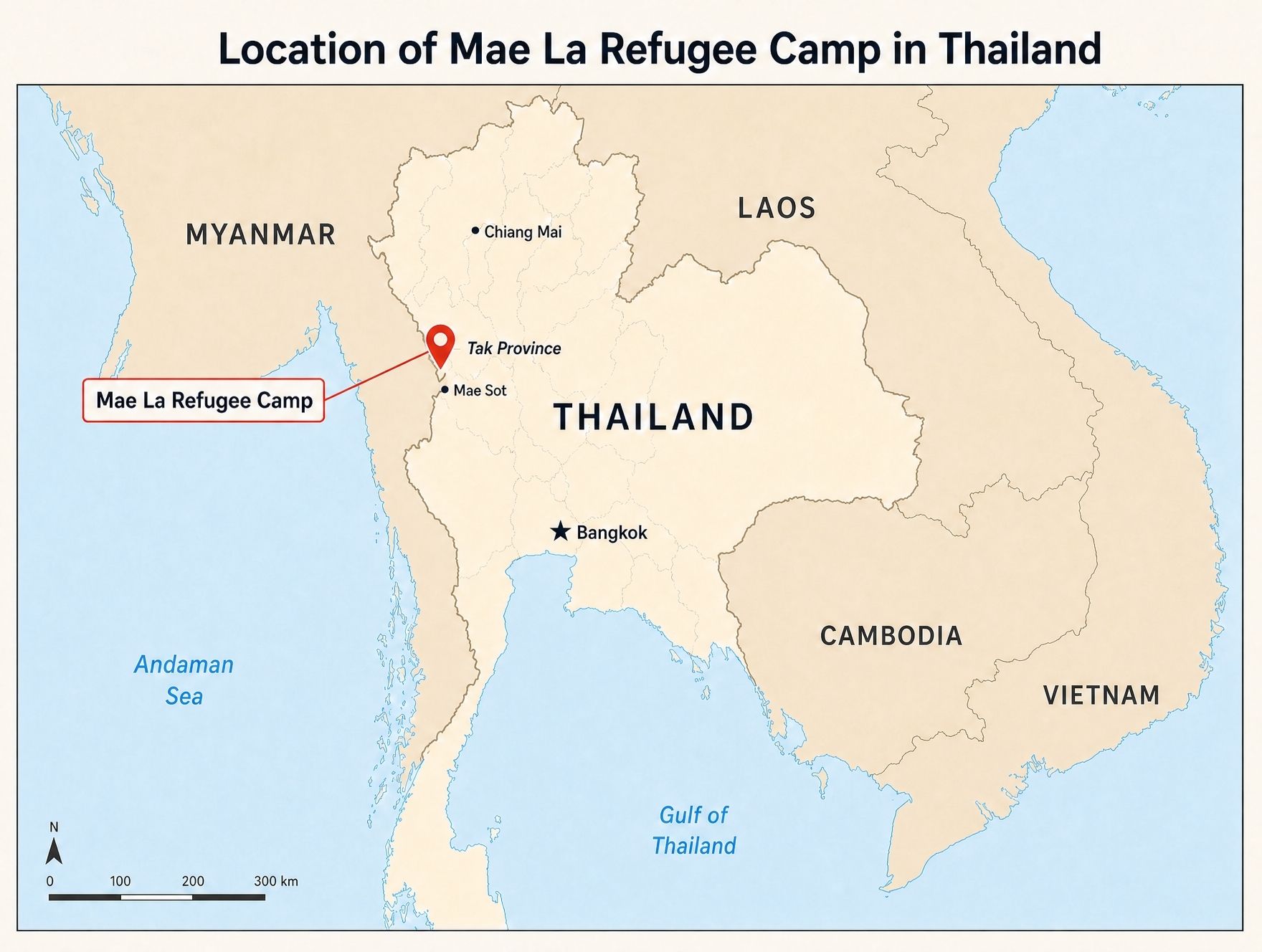
Today, the medical frontlines at Mae La Refugee Camp are facing a crisis of structural collapse. This is precisely why IV-Thailand must dispatch doctors immediately.
When international funding cuts slashed medical staff by 40% (from 400 to 236), only 2 doctors were left to treat over 200 daily patients. In response, IV-Thailand dispatched an additional doctor, bringing the current total to 3. While this intervention successfully saved the frontline from immediate collapse, maintaining this doctor dispatch continuously is vital to keeping the camp's fragile healthcare system alive.
② Healthcare Staff Forced to Leave Due to Unpaid Stipends
The reduction in international aid directly impacts the livelihoods of the medical staff themselves. Delays of one to two months in their medical stipends have become the norm. As a result, the income earned from local daily labor (350 THB/day) sometimes exceeds their medical stipends. The medical staff working at the camp are also refugees who fled Myanmar themselves. They are now being cornered into a position where they must leave the medical frontlines just to feed their families.
Deep-seated despair enveloping the camp has led to a rise in depression and substance abuse. Consequently, the number of suicides between January and March 2025 surged to six (compared to two or three during the same period the previous year). Despite this urgent need, the number of dedicated mental health staff has dwindled from twenty down to just five, and home visits to check on residents' living conditions have completely ground to a halt.
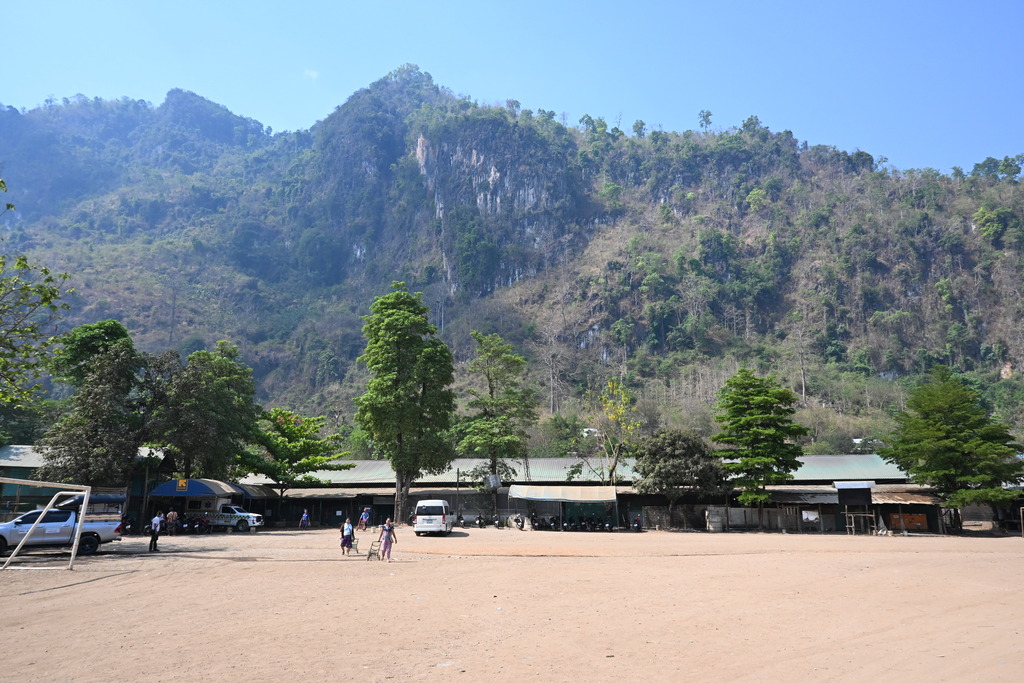
Exterior of the camp hospital
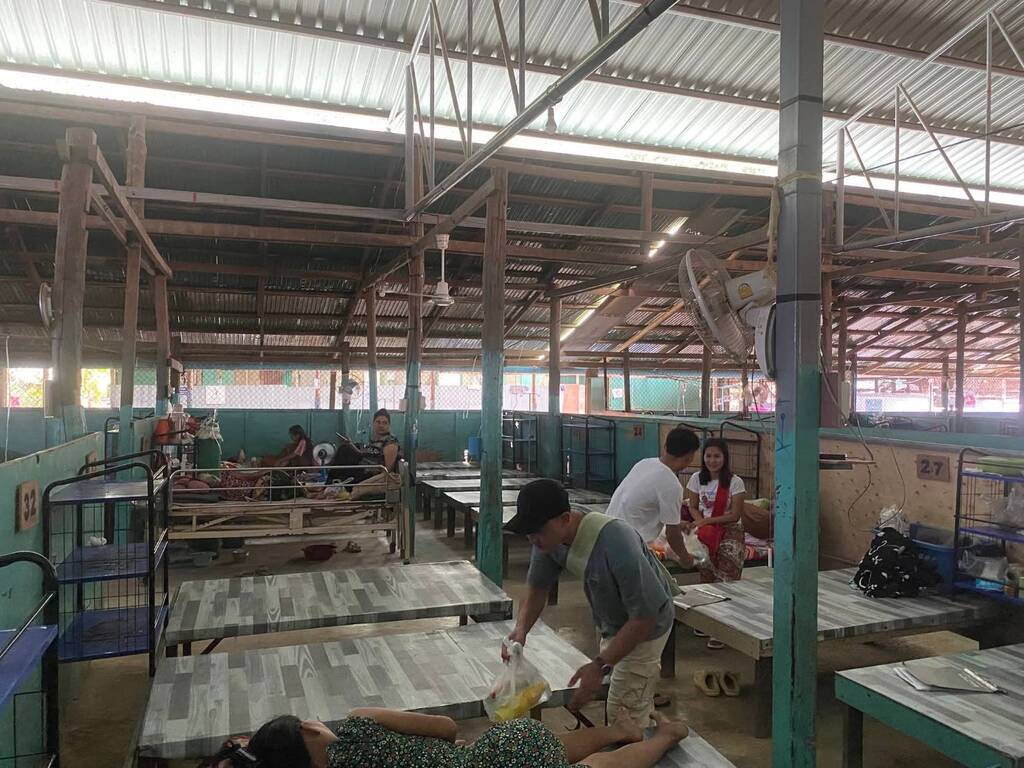
Inside the hospital: Multiple rows of beds separated into sections, without mattresses
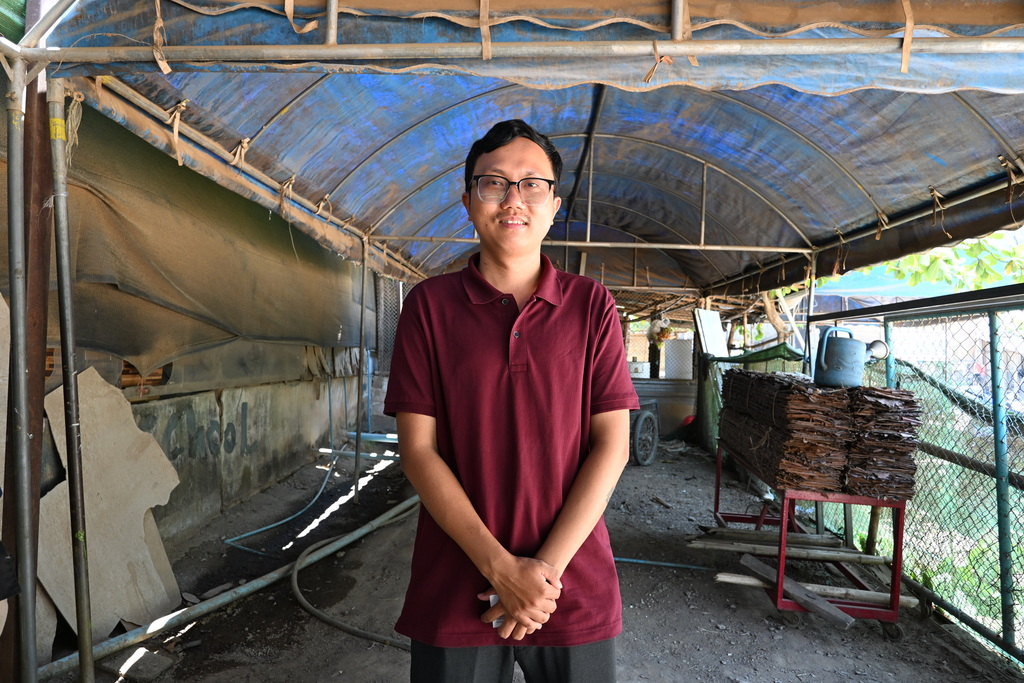
Dr. Kaung Zan Oo
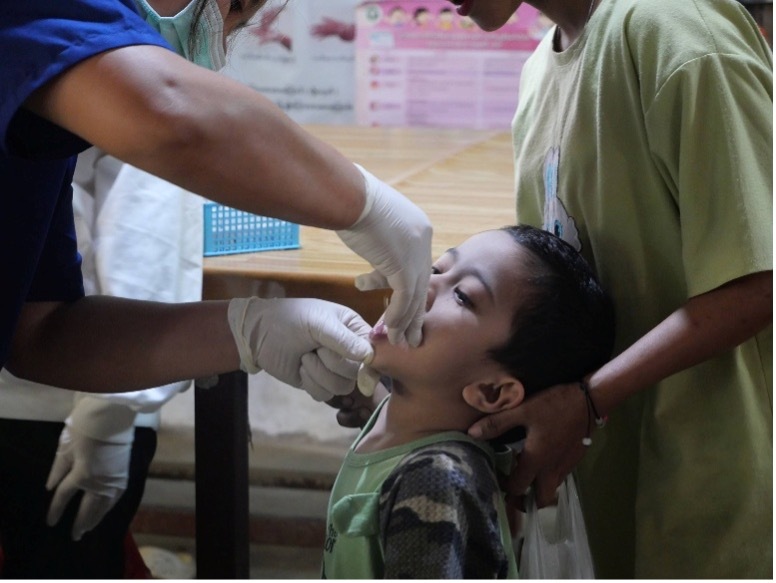
We will sustain essential vaccinations and medical care to protect the lives of the residents and the newborn babies arriving into this world from illnesses that grow severe with each passing season, such as dengue fever and diarrhea during the rainy season, and respiratory illnesses or worsening chronic diseases during the dry season.
The local medical staff are dedicating their own lives to serving the camp residents. A crucial objective of dispatching doctors is to ensure they never feel isolated from society or forced to abandon their posts. Through this project, we deliver a powerful message of solidarity, "You are not alone, we stand with you."
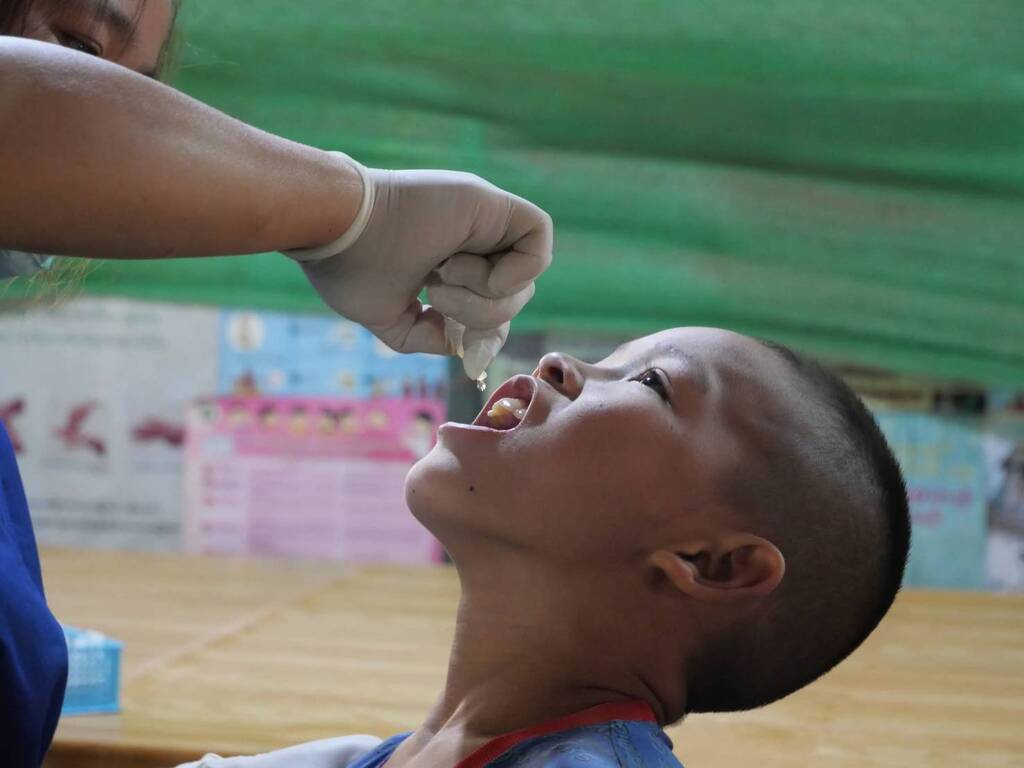
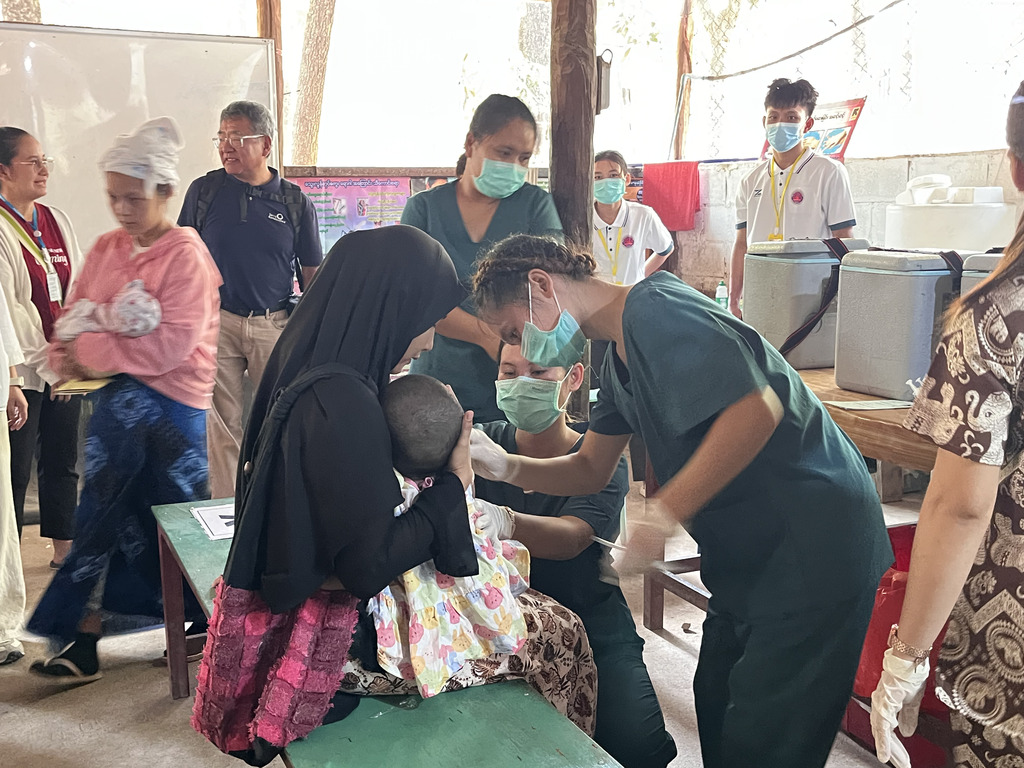
This project will hire one dedicated general practitioner to work in Mae La Refugee Camp, in partnership with Tha Song Yang Hospital. We will fund the doctor's salary and daily transport for an initial 6 months, with a goal of extending to 12 months. The doctor will provide daily care for around 200 outpatients and 50 inpatients, manage tuberculosis, HIV, and maternal health cases, and respond to seasonal outbreaks-restoring a stable medical bridge for 36,000 refugees.
Narcotics addiction has become one of the most serious challenges facing Thai society. According to the Office of the Narcotics Control Board (ONCB), an estimated 1.5 million people—around 2% of those aged 12 to 65—used methamphetamine in the past year, a figure that reveals the depth of the problem.
The Pibulsongkram Foundation works directly with current and former inmates and their families, under the supervision of Thailand's Department of Corrections. The scholarships provided by Terra Renaissance offer vital support that allows children growing up in families affected by incarceration to continue their education without interruption.
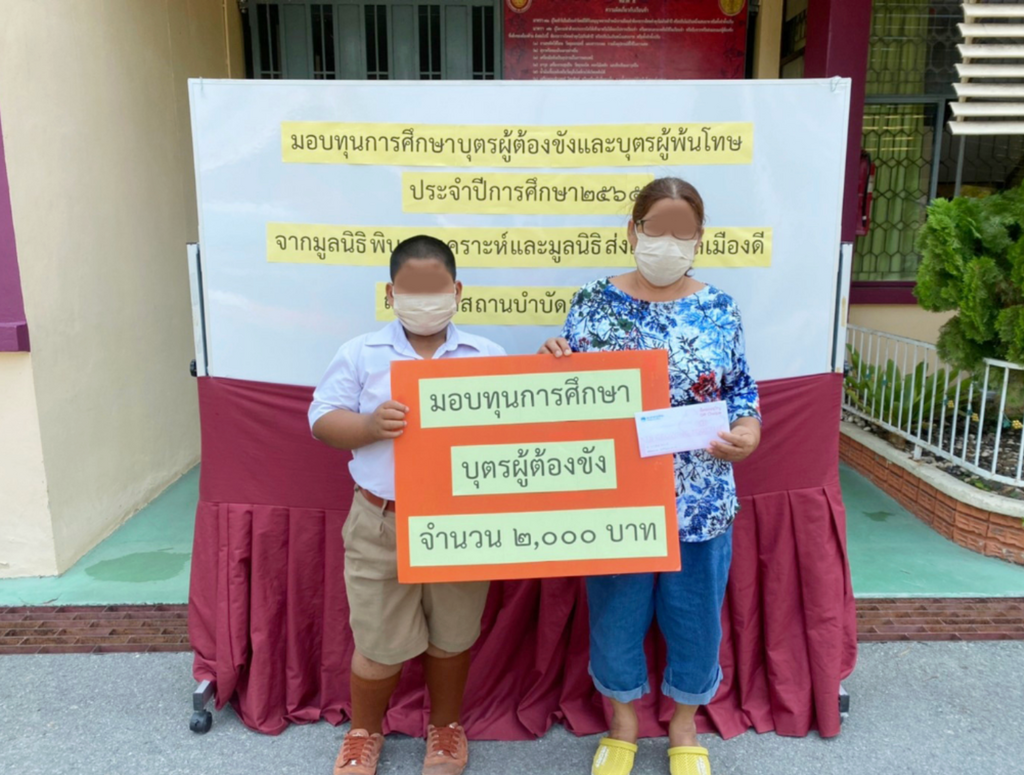
"My parents separated, and my grandmother is raising us. Life isn't easy, but I love reading, writing, and the activities at school. The scholarship helps me buy the things I need to study. In the future, I want to become a teacher and help children like me have the chance to learn."
"My father is in prison now. My mother works alone, but she can barely cover the cost of food and daily living. I'm so happy to receive this scholarship—it means I can lighten my mother's load. I promise to use it carefully and study with all my heart."
"My father works as a day laborer, and our house is old—sometimes the roof leaks. There are times when we don't have enough to eat, but thanks to this scholarship I can keep going to school. One day, I want to support my family and become a good member of society."
Running through every letter is the same determination: to study hard, and one day to support their families.
Among the children who wrote to us are some who live with their grandmother on just 600 baht (about 3,000 yen) a month in public assistance, and others at risk of dropping out because their family cannot afford the 200 baht (about 1,000 yen) annual school fee. When a parent is incarcerated or a household falls into hardship, children are far more likely to lose access to education—and to be drawn back into the cycle of poverty and crime.
Your support is far more than financial aid. It gives these children the courage and hope that come from knowing someone is cheering them on, and that they can return to school tomorrow.
IV-Thailand (the Thailand affiliate of Terra Renaissance) will continue to protect children from the hardships caused by narcotics and family poverty, walking alongside them as they build their own futures with their own hands.
Join us in creating positive change for underprivileged communities and make a real difference today.
This project empowers and supports former child soldiers in Uganda so they can be reintegrated into a community. Former child soldiers were abducted by a rebel group when they were children, forced to fight, and have immensely suffered because they are often discriminated against by communities and economically vulnerable. We provide them with vocational training and support for income generation activity as well as phycosocial support and basic education, aiming that they can be self-reliant.

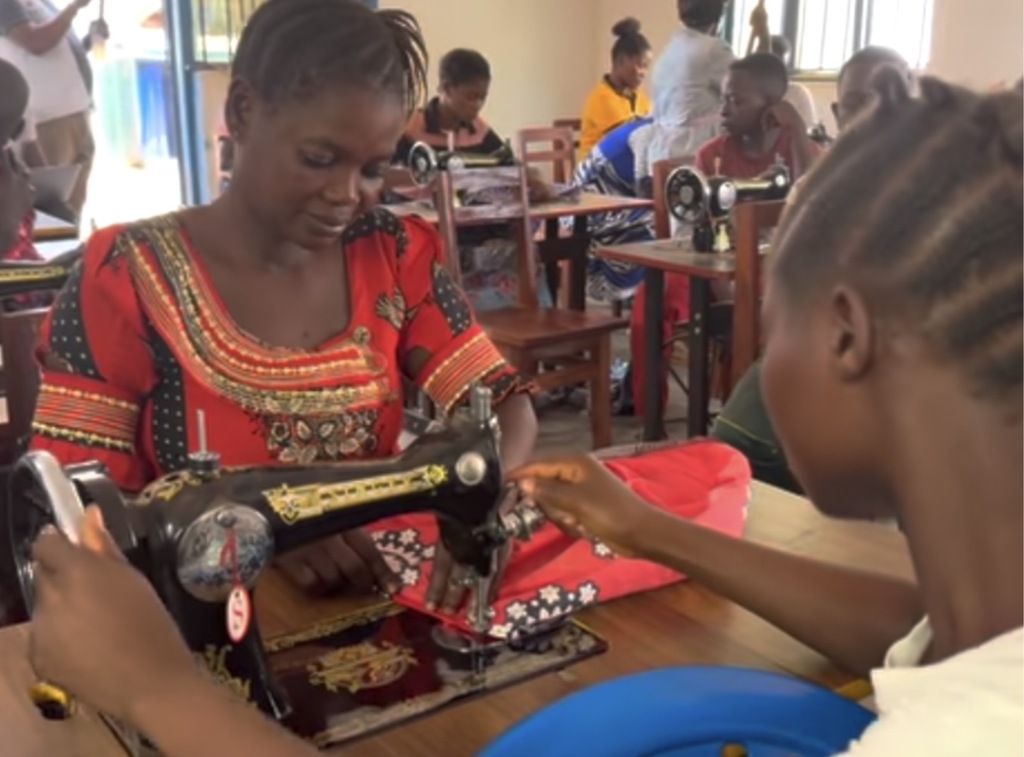
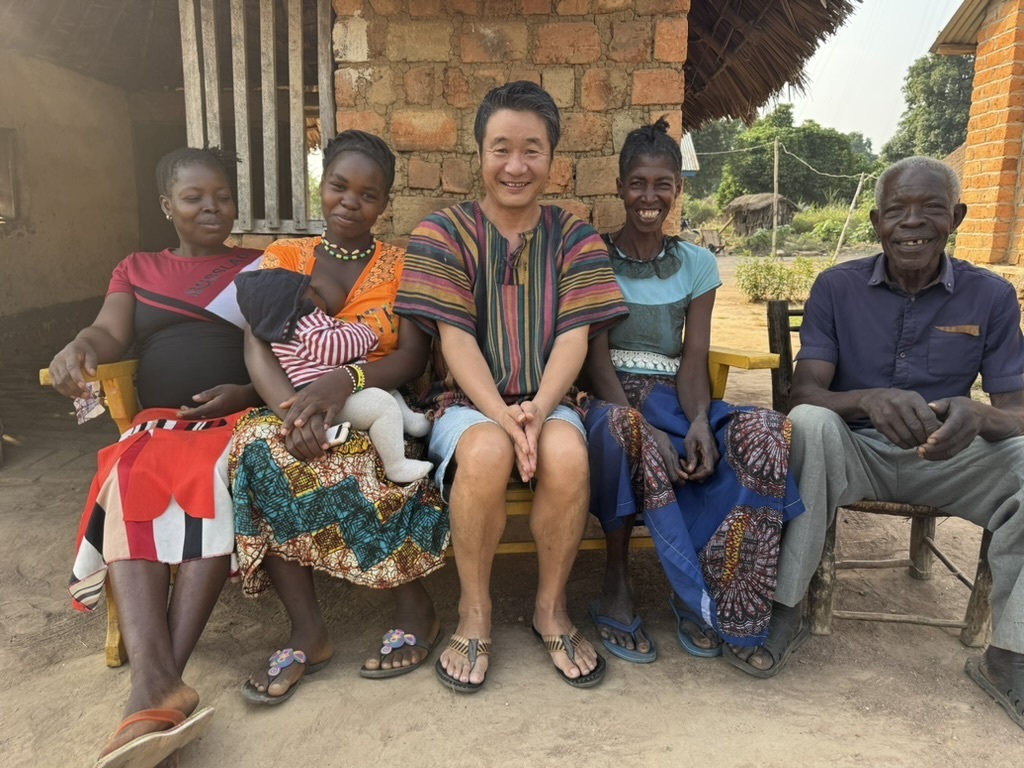
As the Japanese NGO working in conflict/disaster-affected areas for world peace since 2001, victims of the crisis in DR Congo should not be ignored. We assist those affected but struggling to live a better life, especially women and children. Giving vocational skills training such as tailoring to help them lead a self-sufficient life and provide financial and material assistance to children. We wish everyone a bright future.
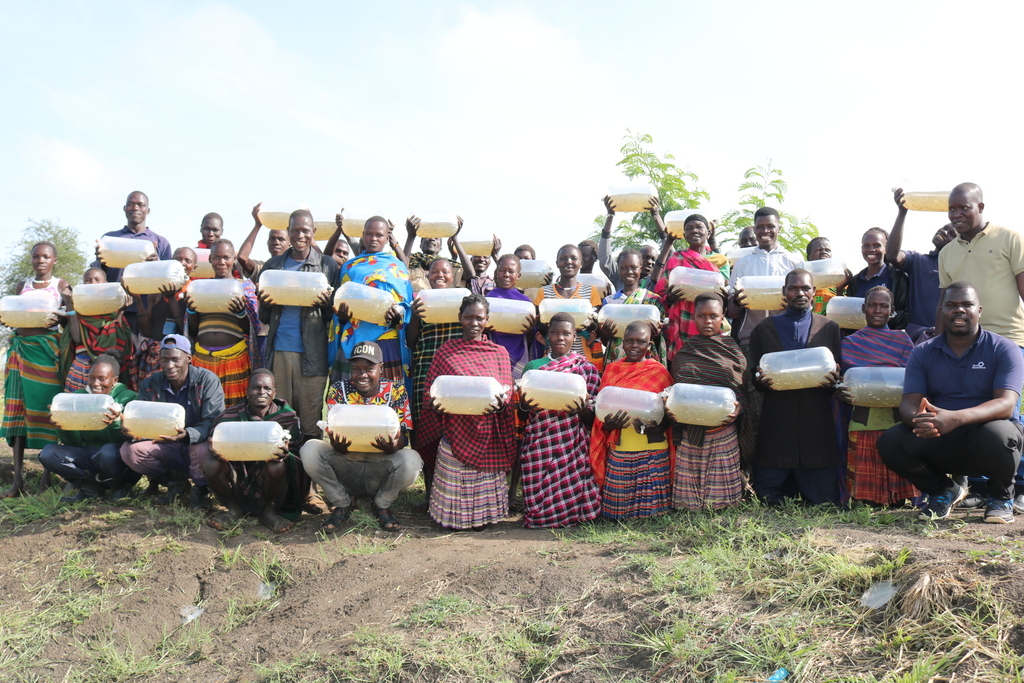
Karamoja region of Uganda, East Africa, is classified as one of the world's poorest areas. Nearly half the population is on the brink of starvation due to high food prices caused by the war in Ukraine and drought caused by climate change. We will provide emergency relief such as food, water, medicine, and other essential supplies to the most vulnerable individuals in the region and support their agricultural activities to increase their resilience in the long term.
IV-THAILAND, Foundation of International Volunteers in Thailand
Certified NPO Terra Renaissance
© 2025 IV-Thailand. Content from Terra Renaissance used with permission.